

“You are meant to be here. There are no coincidences. It’s all happening the way it was meant to be.”
Anthony Horowitz
Have you ever thought about how life would’ve turned out to be had you made so-and-so decision 5 years ago, or how it would’ve been better if so-and-so had happened instead of what actually happened? Well, the good news is, you’re not the only one who thinks that way. This is a rather common psychological phenomenon called upward counterfactual thinking.
Counterfactual thinking, as the name suggests, is a “counter to the facts” thinking, consisting of “What if” scenarios (not necessarily the Marvel ones). Counterfactual thinking is of two types: upward counterfactual thinking, which is when we think what better could’ve happened and downward counterfactual thinking, which is when we think that something worse could’ve happened, and are thankful for our current situation.
Now let’s have a look at what Islam says regarding counterfactual thinking.
1. Believing in God’s plan

“They plan, and Allah plans. And Allah is the best of planners.”
– Qur’an 8:30
Firstly, if a person believes in God, they need to believe in not just God’s existence, but also God’s planning. Suppose you fail in an interview, and you feel terrible for not getting through, but then a few days or weeks later, you get another interview for a much better organization, and at a much higher pay. Turns out, had you been selected in your previous interview, you would’ve never gotten this opportunity.
2. Downward Counterfactual Thinking

“If you are grateful, I will surely give you more.”
– Qur’an 14:7
As stated, downward counterfactual thinking refers to being thankful to your current situation. Sure, you could’ve scored an A instead of a B, but it could’ve been an F as well. Sure, you’re stuck in a low-paying job, but you could’ve been unemployed as well. We must be thankful for our current situation. and then work towards making it better, which brings us to the next point.
3. Improving the situation

“A believer does not get stung twice from the same hole.”
– Prophet Mohammad ﷺ
(Sahih al-Bukhari: 6133)
Counterfactual thinking doesn’t always have to result in a setback, sometimes it can also be used to improve the situation. If you feel you could’ve done something better, there will always be another chance to do it better, and not repeat the same mistake twice. The Prophet ﷺ advised us to always learn from our mistakes, for it is a sign of a true believer.
4. Being patient

“Indeed the patient will be rewarded without limit.”
– Qur’an 39:10
In the end, we must realize that some situations are out of our control. Sometimes we can do absolutely nothing to evade ourselves from a calamity. Covid-19 has been one such situation; people lost their jobs, their loved ones, their relatives, or even their own lives, despite every measurable precaution. What do we do in such a situation? We endure, and we remain patient. Is it easy? Absolutely not. But we believe that God doesn’t will ill for us. Maybe there is a big picture that we can’t see today, but will see it in a month, or a year, or even a decade, and realize why it all happened the way it all happened.
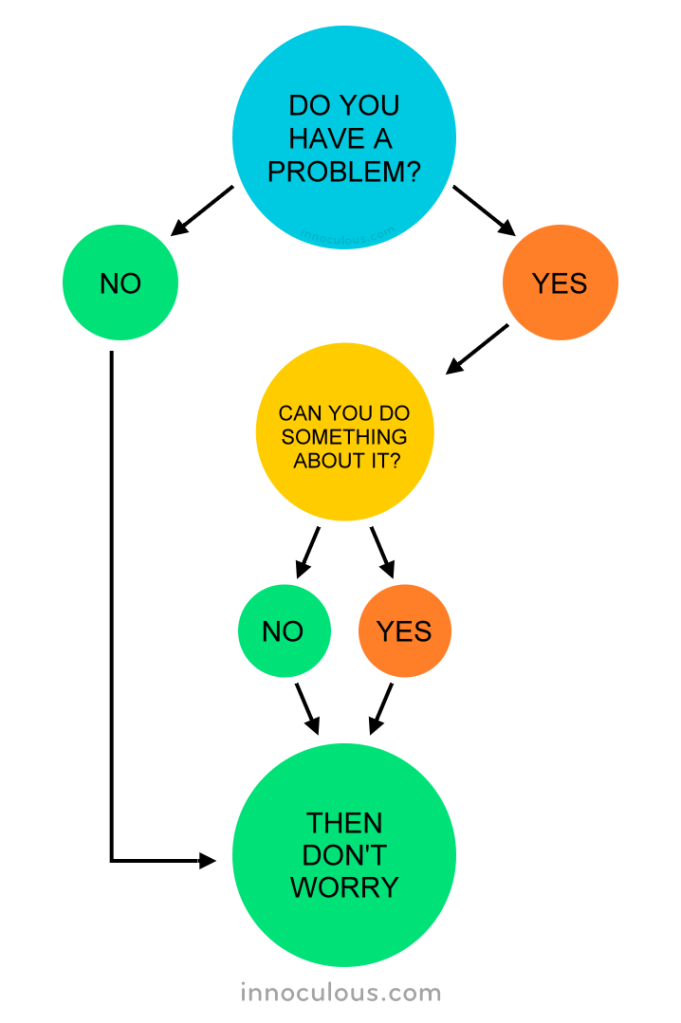
In conclusion, we can say that counterfactual thinking is not an uncommon phenomenon, and instead of running away from it, we must first understand it, and then try to reflect upon our situation, and see if we can improve it. If we can, we must, and if we cannot, we must let it go.
 Revisiting Islam