

“What goes around, comes around” is what people say today regarding those who intentionally decide to cause harm to them, like cheating in a relationship, hurting someone’s sentiments, putting pineapple on pizza, so on and so forth.
This is called “karma,” which means that as you sow, so shall you reap.
Now one may ask, is karma depicted in Islam? The answer is yes. Let’s have a look at the evidence:
1.. “If you do good, it is for yourself. If you do evil, it is against yourself.” – Qur’an 17:7
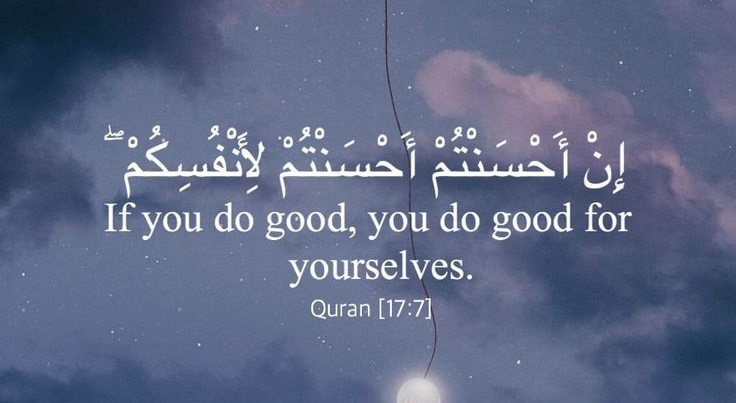
This verse summarizes the concept of karma in a single sentence. Every deed we do is for ourselves, which means that all our deed, whether good or evil, will come back to us sooner or later.
2. “As for those who believe and do good, We certainly never deny the reward of those who are best in deeds.” – Qur’an 18:30

The Holy Qur’an beautifully states that not only will God reward those who do good, but goes a step further to say that God will never even deny the reward to those who do good.
3. “A soul gets reward for that good which it has earned, and is punished for that evil which it has earned.” – Qur’an 2:286
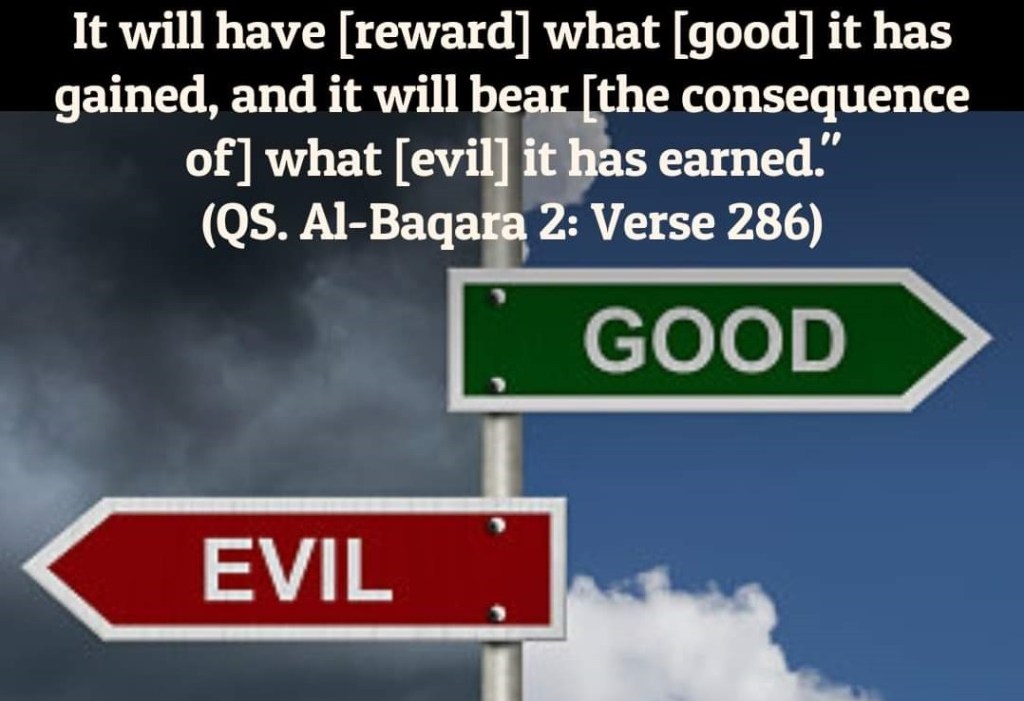
Good and evil in this verse are described as something which we earn, rather than something which we do. Hence, we can say that whatever we do, even though we intend to do it for others, in reality we’re actually doing to and for our own selves.
4. “Every soul will be held in pledge for its own deeds.” – Qur’an 74:38
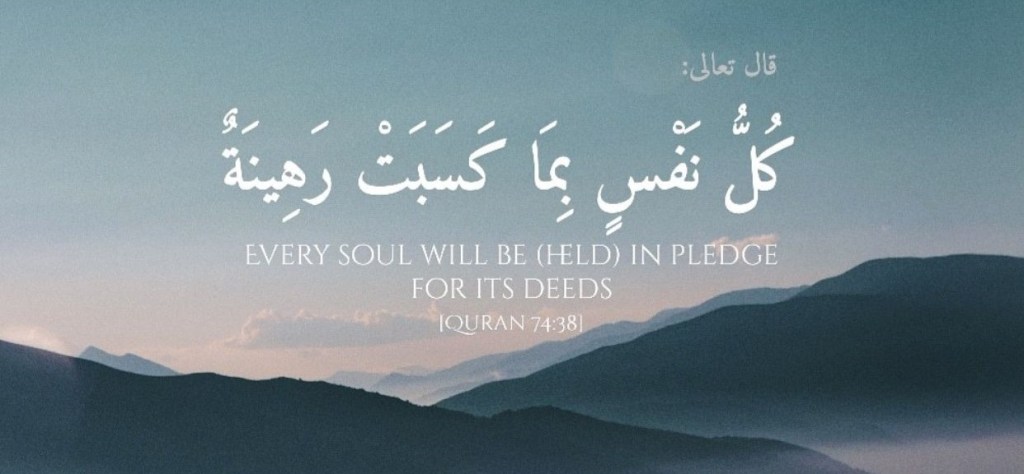
One of the things that bothers when we’ve been wronged by someone, is how can that person get away with it so easily? This verse clarifies that every single person will be held accountable by God for whatever deed they’ve done, and therefore, will be rewarded or punished accordingly.
In conclusion, we can say that yes, Qur’an does talk about karma, but with the involvement God in order to honor the ones who did good deeds, and to dishonor the ones who did bad deeds.
 Revisiting Islam